An ISO/IEC 17025:2017, ISO/IEC 17020:2012 Accredited, DIFE Approved & ISO 9001:2015 Certified Laboratory | +8801730474822 | tm.qcsbd@gmail.com
Thought about garment and textile calibration for a couple of seconds
Below is a restructured version of the content, expanded and adapted to encompass both garment and textile calibration. This version is suitable for a service page highlighting calibration services for the garment and textile industry.
Introduction to Garment and Textile Calibration
Garment and textile calibration is the process of adjusting and verifying the accuracy of machinery, equipment, and testing instruments used in both garment and textile production. By ensuring that parameters such as tension, speed, temperature, and dimensional measurements remain within specified tolerances, calibration helps maintain quality, consistency, and efficiency throughout the manufacturing lifecycle. Tools like digital sensors, micrometers, dial indicators, and advanced control systems play a critical role in the calibration process. Properly calibrated equipment not only guarantees product quality but also reduces defects, downtime, and resource wastage. Ultimately, garment and textile calibration services help companies meet stringent industry standards, enhance brand reputation, and drive overall competitiveness.

Importance of Garment and Textile Calibration

Calibration in the garment and textile sectors is essential to ensure accurate, reliable, and repeatable measurements. Consistent calibration:
- Maintains high-quality output, improving customer satisfaction.
- Reduces production defects, saving time and resources.
- Ensures compliance with international standards, essential for global market competitiveness.
- Extends equipment life through regular maintenance and verification.
- Supports reliable quality control and fosters trust among buyers.
Garment and Textile Calibration Standards
Standards and reference materials are key to ensuring uniform calibration results across the garment and textile industries. Specialized reference blocks, thickness gauges, and dimensional standards help verify measurement tools like calipers, micrometers, yarn testing machines, fabric testers, garment measurement templates, and more. Structured procedures, documentation protocols, and proper instrument storage contribute to maintaining consistent calibration accuracy over time.
Calibration Services for Garment and Textile Equipment
Professional calibration services encompass a wide range of machinery and testing instruments used in garment and textile production, including:
- Yarn testing machines, twist testers, and tension meters for textiles.
- Garment measurement equipment, sample cutters, stitch length testers, and seam strength testers.
- Fabric inspection devices, finishing machines, dryers, and dyeing machines.
Quality control instruments such as GSM cutters, color assessment cabinets (light boxes), and abrasion/pilling testers.
Regular calibration services help ensure that both manufacturing and testing equipment function in harmony, guaranteeing consistent quality and precise specifications.

Garment and Textile Calibration Services
Our calibration services cover a wide range of instruments and machinery, including but not limited to:
Bursting Strength tester
Button Pull Tester
Color Assessment (Light Box)
Crock Meter
Dryer Machine
Dyna wash
Evenness Tester
Fusing Machine
GSM Cutter
Gyro wash
Heat seal Machine
Incubator
Lab Dyeing Machine
Lea Tester
Martindale Abrasion Tester
Martindel & abretion machine
Micrometers
Needle detector
Neps Tester
Perspirometer
Pilling Machine
Pilling Templet
Pilling Viewer
Pressure & Vacuum Gauges
Rotator
Shaker
Shrinkage Ruler & Templet
Steel Scale & Measuring Tape
Tear tester
Thermometer
Trash Aalyzer
Trash Tester
Washing machine
Weight & Balance
Wrap Block
Wrap Reel
Future of Garment and Textile Calibration in Bangladesh – Challenges & Solutions
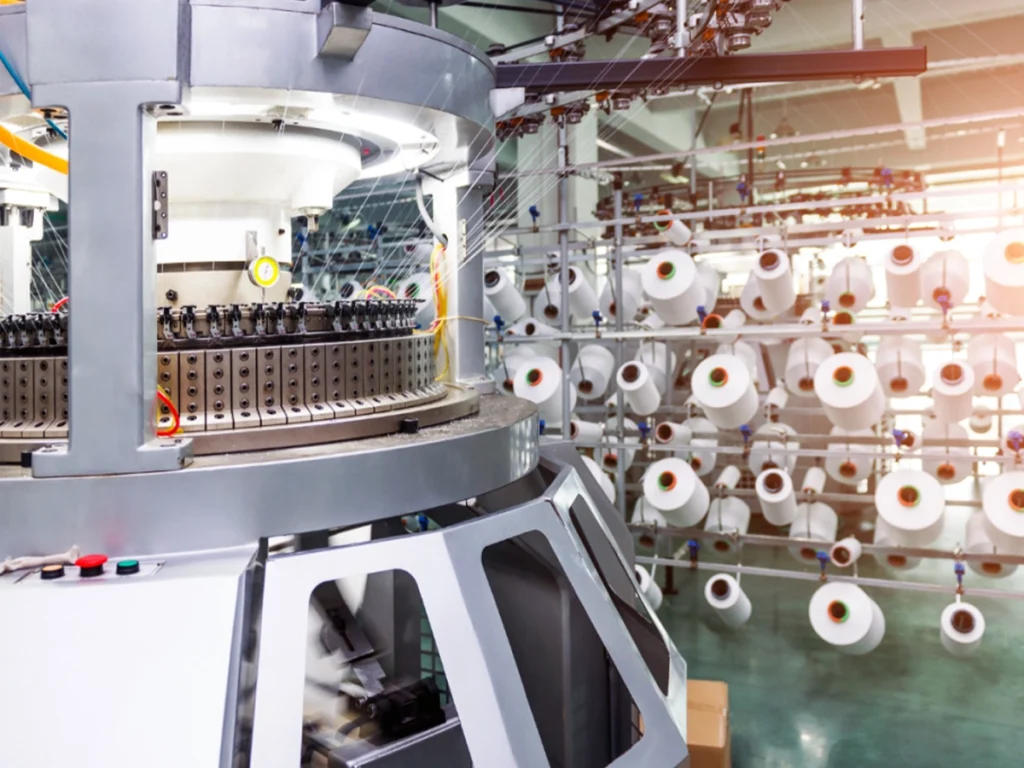
Bangladesh, a global leader in garment and textile production, faces unique challenges in calibration, including limited standardization, insufficient training, and a lack of advanced equipment. These gaps can lead to inconsistency in product quality, difficulty in meeting international buyer requirements, and reduced competitiveness.
Potential Solutions:
- Implementing standardized training programs to upskill the workforce in operating and calibrating advanced garment and textile machinery.
- Investing in state-of-the-art digital equipment, including automated garment measurement systems and AI-driven textile testing tools.
- Developing a national garment and textile calibration framework and collaborating with international experts and organizations.
- Strengthening quality assurance protocols and oversight to ensure process control, compliance, and product reliability.
On-site Garment and Textile Calibration Services
On-site calibration services bring expert technicians directly to production facilities, reducing equipment downtime and streamlining maintenance. This approach ensures that:
- Production equipment like looms, garment cutting machines, stitching units, and dyeing/finishing machines operate at peak efficiency.
- Testing instruments used for quality checks—such as tear testers, shrinkage measurement devices, yarn friction meters, and garment dimension checkers—produce accurate results on the spot.
Regular on-site calibration helps maintain optimal performance, reduces waste, and aligns production with designated quality standards.

Traceability and Accreditation in Garment and Textile Calibration
Traceability involves maintaining detailed records to track the history and condition of calibration instruments, ensuring a clear lineage of all measurement data. Accreditation, granted by recognized third-party organizations, certifies that a calibration laboratory or service provider meets international competence standards. Together, traceability and accreditation ensure that garment and textile manufacturers can verify the integrity of their measurements, comply with industry regulations, and reliably meet customer requirements.
Maintaining Calibration Records in the Garment and Textile Industry

Accurate, up-to-date calibration records are essential. These records should detail:
- Calibration dates, procedures, and results.
- Technicians responsible for calibration.
- Any adjustments or maintenance performed.
These records help identify trends, support compliance with industry regulations, and provide evidence of due diligence. They also facilitate swift resolution of disputes and are invaluable for audits and certifications.
The Role of Quality Control in Garment and Textile Calibration
Quality control (QC) teams rely heavily on calibrated equipment to verify that garments and textiles meet defined specifications, from yarn strength and fabric weight to garment dimensions and color consistency. QC processes might involve testing:
- Yarn evenness and twist.
- Fabric weight (GSM) and shrinkage.
- Seam strength, button pull resistance, and dimensional accuracy in garments.
Colorfastness, pilling, abrasion resistance, and other performance attributes.
By ensuring that testing instruments are calibrated, QC processes remain trustworthy, and customers receive products that meet or exceed their expectations.

GMP and GLP Compliance in Garment and Textile Calibration
Good Manufacturing Practices (GMP) and Good Laboratory Practices (GLP) ensure that calibration activities adhere to recognized quality and safety standards. GMP compliance assures that manufacturing processes, documentation, and equipment maintenance are conducted systematically. GLP compliance ensures laboratory operations—from handling test samples to record-keeping—uphold accuracy and credibility. Both GMP and GLP standards provide a robust framework for reliable calibration, ultimately safeguarding product quality.
Advancements in Garment and Textile Calibration Techniques
Modern advancements bring efficiency and precision to the calibration process. Digital imaging, computer vision, and AI-driven analysis can precisely measure yarn counts, garment dimensions, and fabric properties. Smart sensors, portable instrumentation, wireless data transmission, and cloud-based calibration management systems allow real-time, on-the-spot adjustments. These innovations reduce human error, speed up the calibration cycle, and facilitate predictive maintenance and continuous quality improvement.

Looking for a BAB Accredited Calibration Lab in Bangladesh?
Quality Calibration Solutions offers comprehensive garment and textile calibration services. Our expert technicians, state-of-the-art equipment, and internationally recognized accreditation ensure accurate, reliable, and efficient calibration that meets your production needs. Contact us for a quotation and experience the difference of industry-leading service.
Conclusion: The Importance of Quality Calibration in the Garment and Textile Industry
Investing in quality calibration is vital for manufacturers seeking to excel in today’s competitive garment and textile markets. Proper calibration maintains product consistency, streamlines manufacturing efficiency, minimizes waste, and elevates customer satisfaction. By aligning processes with industry standards and global best practices, garment and textile companies can enhance their competitiveness, uphold brand integrity, and ensure long-term success.
Ensure that your garment and textile operations consistently deliver high-quality products by partnering with us for all your calibration needs. Contact us today for expert guidance, certified calibration services, and unwavering support.