An ISO/IEC 17025:2017, ISO/IEC 17020:2012 Accredited, DIFE Approved & ISO 9001:2015 Certified Laboratory | +8801730474822 | tm.qcsbd@gmail.com
Introduction to Crane Inspection
Crane inspection validates each crane’s structural integrity and safe operation. Crane examination, crane check-up, and crane assessment uncover performance issues before failures happen. Overhead crane inspection, mobile crane safety check, and annual crane inspection uphold operational standards. Every heavy equipment audit, industrial crane evaluation, and rigging inspection targets hidden damage that compromises safety. Crane maintenance, crane certification, and a crane condition report confirm mechanical resilience.
There are 4 main reasons organizations trust these inspections:
1
Establishing baseline structural health
2
Detecting worn parts that jeopardize operations
3
Minimizing accidents caused by mechanical failures
4
Extending equipment service life through early interventions
Various crane types (overhead, mobile, stationary) each need regular checks of hooks, slings, and wire ropes. Detailed documentation, including images and test results, supports regulatory compliance. In many settings, an annual crane inspection remains mandatory to maintain insurance coverage and promote confidence in safe lifting operations.
Why Crane Inspection Is Critical
Regulatory compliance is a core priority for every crane owner. Multiple safety regulations, including OSHA standards, ASME B30.2, and ANSI standards, define operational guidelines. These frameworks exist to protect workers in industrial zones. Safety certification aligns with each risk assessment, ensuring that hazards are detected. Accident prevention is feasible by systematically monitoring mechanical parts. Equipment failure prevention guards against abrupt halts that damage productivity. A methodical safety management routine connects daily checks, monthly reviews, and periodic compliance audits.
Crane owners who follow these procedures reduce the probability of harmful incidents. A load capacity check, for example, determines how much weight a crane lifts without straining. Operators rely on these capacity figures to avoid overloading. Industrial cranes support large loads, sometimes reaching 50 tons or more. Adhering to these load limits fosters better machine health. Fewer mechanical breakdowns mean less downtime. Companies with high safety standards often experience 30% fewer operational halts. This reduction in stoppages influences profitability and maintains worker trust.
A compliance audit further validates that an organization meets local, national, or international safety standards. Inspectors verify signage, safety harness availability, and emergency procedures. Crane operators complete training that addresses safe lifts, hazard detection, and quick response. Regulatory bodies, including OSHA, sometimes conduct unannounced site visits. These visits assess protective measures on the ground. A facility with valid inspection records and consistent adherence to standards is better prepared.
The Crane Inspection Process
A structured crane inspection process follows 7 practical steps:
1
Pre-use inspection
Operators visually check hooks, wire rope, and controls before each shift.
2
Routine inspection
Organizations schedule daily inspection, weekly checks, or monthly reviews to identify excessive wear.
3
Periodic inspection
Inspectors conduct thorough examinations every 3, 6, or 12 months, depending on crane usage.
4
Detailed inspection
Specialists handle mechanical inspection, structural inspection, and electrical inspection.
5
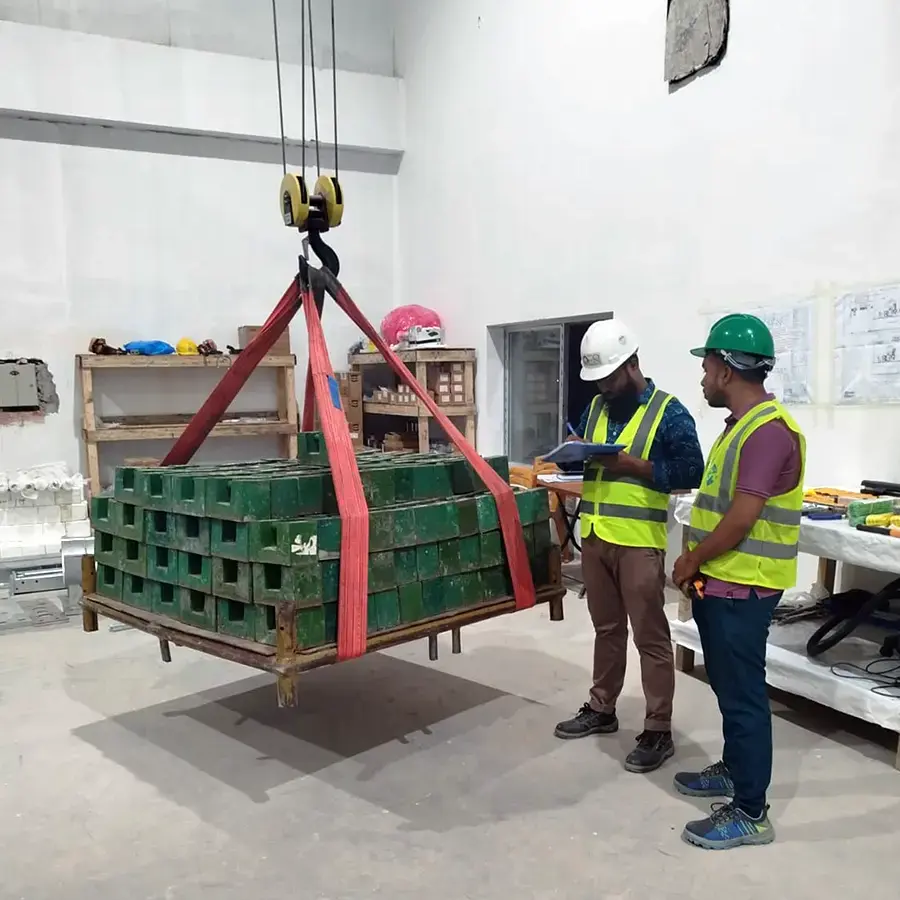
Load testing
Personnel perform performance testing and functional test procedures under controlled conditions.
6
Safety audit
Auditors look for issues related to brakes, hoist inspection, wire rope inspection, and guarding systems.
7
Condition monitoring
Data from sensors and logs verifies ongoing performance trends, guiding future maintenance.
Pre-use checks take 5 to 15 minutes, depending on crane complexity. Routine inspection might include verifying lubrication on bearings, testing the brake system, and scanning for unusual noises. Periodic inspection spans deeper mechanical and structural evaluation, often including non-destructive testing (NDT) methods. Specialists use load testing to confirm performance under maximum capacity. Many organizations adopt a safety audit that captures operational test data for compliance. Condition monitoring helps detect gradual faults in gearboxes, booms, or electrical circuits. Collectively, these steps create a systematic crane check-up that preserves functionality.
Types of Cranes We Inspect

Mobile Crane
A mobile crane, for example, maneuvers across rough terrain with telescopic booms or hydraulic supports.
Overhead Crane
An overhead crane operates on rails above a factory floor, transporting heavy loads along fixed paths.
Tower Crane
Tower cranes dominate urban skylines, lifting materials at construction sites.
Gantry Crane
A gantry crane features a bridge-like structure, often used in shipping ports.
Crawler Crane
A crawler crane rides on tank-like treads for stable lifting on uneven terrain. A hoist is a simpler device that lifts loads on a chain or rope system.
Jib Crane
Jib cranes pivot on a vertical axis, often found in workshops.
Telescopic Crane
Telescopic cranes and hydraulic cranes rely on advanced mechanical or fluid-driven systems to extend booms.
Rough Crane
Rough terrain cranes support lifting in remote areas.
Industrial Crane
Industrial cranes handle production tasks inside factories.
Lifting cranes, construction cranes, dockside cranes, bridge cranes, and derrick cranes each possess unique advantages.
Manufacturers produce these cranes for varied industries, including construction, shipbuilding, and manufacturing. For instance, a gantry crane that loads cargo containers can handle 5 to 100 tons, based on its configuration. A tower crane might reach 80 meters high. Bridge cranes often carry 30-ton loads in large assembly facilities. Derrick cranes frequently appear on rooftops for hoisting materials where a permanent crane structure is not available. Inspections follow standard guidelines to confirm the structural soundness of every crane type.
Mechanical and Electrical Components Inspected
Crane evaluations involve checking mechanical and electrical parts. There are 12 core components:
1. Wire rope: Inspectors examine wire rope for frays, broken strands, or tension discrepancies. Three crucial parameters include diameter, lay pattern, and surface wear.
2. Pulleys, chains, and hooks: Alignment, lubrication, and stress points are monitored. Chains are measured for elongation, and hooks are checked for cracks. Slings and sheaves are included in this process.
3. Load block: This assembly holds the hook and components like shackles. Inspectors check it for physical damage.
4. Lifting mechanism: Gears and motors that provide hoisting force need thorough review. Hoist gear alignment is crucial for smooth lifts.
5. Boom: On mobile and tower cranes, the boom supports dynamic loading. This part is scanned for stress fractures and weld integrity.
6. Counterweight: Maintains stability. Inspectors confirm secure fastening and correct balancing.
7. Winch: Reeving checks ensure rope spools correctly. Technicians confirm that friction surfaces remain functional.
8. Motor inspection: Motors are tested for torque consistency and thermal efficiency.
9. Brake system: A worn brake pad leads to slip hazards. Technicians measure disc thickness, drum alignment, and brake shoe integrity.
10. Gearbox and bearing check: Inspectors confirm lubrication levels and look for metallic debris in oil samples.
11. Hydraulic system inspection: Hydraulic cranes rely on fluid pressure. Leaks, hose wear, and cylinder seals are verified.
12. Control panel inspection and electrical system check: Each circuit goes through power supply analysis and wiring inspection. A motor test can highlight electrical inefficiencies.
Proper examination of these components reduces breakdowns by an estimated 40%. Consistent oversight also extends crane life by 20% or more. For example, well-lubricated wire ropes outlast poorly maintained ones by approximately 30%. Technicians generate an actionable list of issues requiring immediate or future attention.
Load Testing & Capacity Check
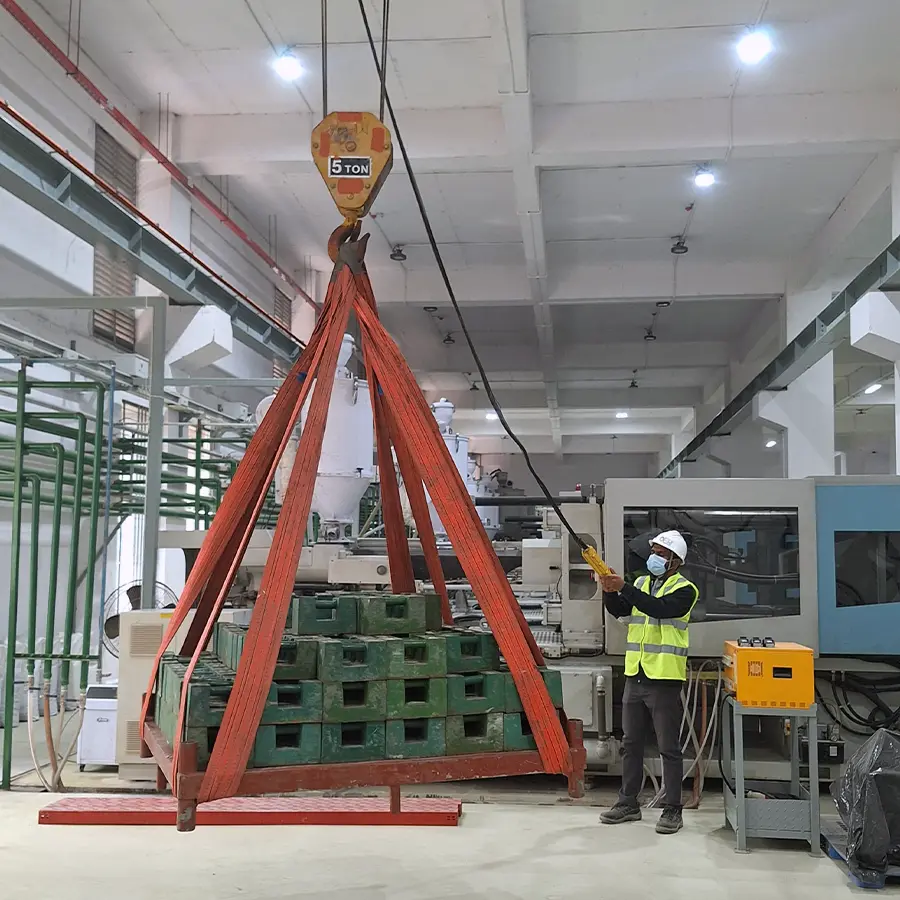
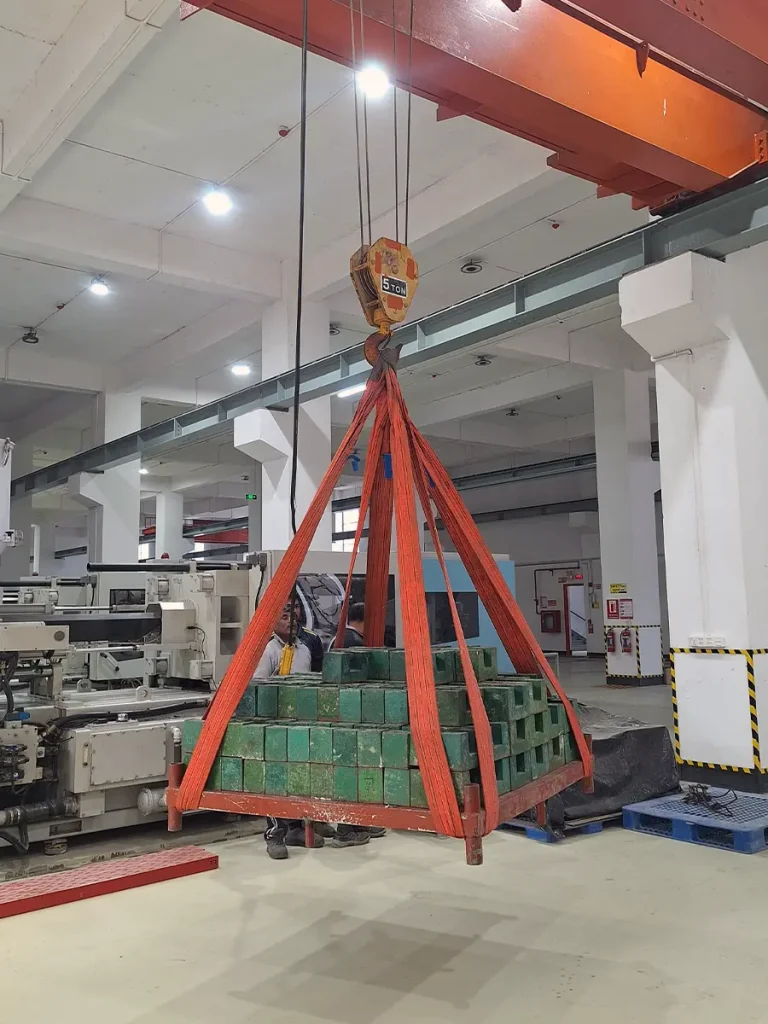
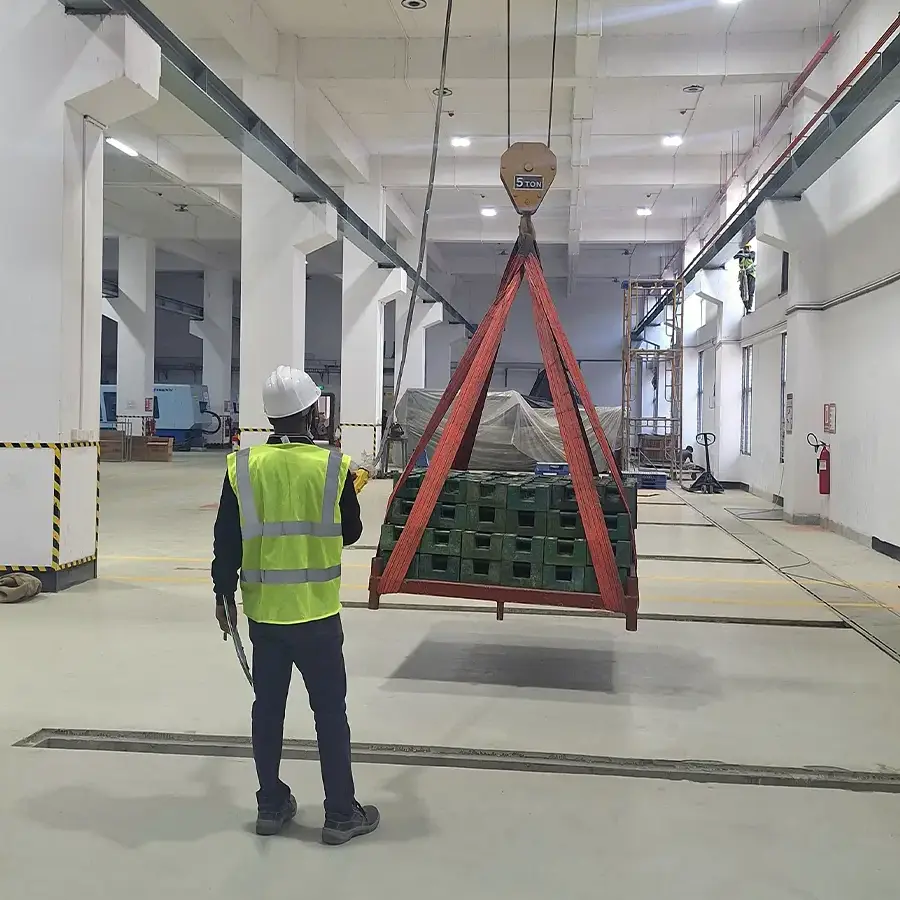
Load capacity testing observes real-world lifting scenarios. A maximum load test verifies that the crane maintains stability at peak capacity. Dynamic load test procedures simulate movement while fully loaded, tracking the crane’s ability to maneuver safely. A lifting capacity check compares actual performance with the manufacturer’s specified limits. Overload protection devices, such as load moment indicators, stop operation if capacity edges approach dangerous thresholds. Weight testing ensures that each crane continues lifting safely even when encountering day-to-day extremes. A load balance review identifies imbalanced rigging setups that cause sway or drift.
Crane weight limits vary by crane type. A small workshop crane may handle 1 or 2 tons. A large gantry crane can handle 100 tons. Lift capacity certification documents these figures so operators have documented guidelines. In some cases, 120% test loads are used to prove extra safety margins. A precise load rating fosters confidence that no excessive stress accumulates. This data is often included in final inspection reports.
Safety and Risk Management
A proactive approach to safety avoids injuries. Risk assessment identifies hazards in various crane operations. Hazard evaluation spotlights structural weaknesses or operator errors. Workplace safety focuses on crane safety measures for riggers, operators, and nearby personnel. Fall protection, including harnesses and guardrails, decreases the chance of falls. Lifting safety centers on load stability and balanced rigging. Risk mitigation strategies like regular inspections and controlled lifting plans maintain consistent performance. Emergency procedures outline steps to follow in the event of mechanical failure. A critical failure analysis may uncover repeated issues in certain crane models.
Equipment failure prevention depends on robust maintenance and operator training. Caution with rigging and bracket assemblies matters because incorrect rigging leads to unpredictable load shifts. Operators rely on checklists to confirm each step before initiating a lift. A typical 6-step method includes verifying rigging points, confirming load weights, reviewing site layout, ensuring operator readiness, scanning for overhead obstructions, and performing a test lift. These consistent steps address 3 main categories of risk: mechanical, environmental, and human error.
Industry-Specific Crane Inspection Solutions
Certain industries impose specialized demands on crane inspection. Construction crane inspection involves verifying tower sections, tie-ins, and climbing procedures for tall structures. Maritime crane inspection covers corrosion from saltwater, hydraulic seals for marine conditions, and slip-resistance on wet decks. Mining crane inspection ensures that dust, vibration, and moisture levels do not degrade components. Manufacturing crane check focuses on continuous lifts, forklift interactions, and conveyor integration. Shipyard crane audit evaluates high-load lifts like ship modules or submarine parts. Oil and gas crane inspection addresses explosion-proof electronics and extreme temperature fluctuations. Port crane evaluation measures container handling efficiency for vessels. Logistics crane maintenance checks overhead systems in distribution warehouses. Aerospace crane inspection focuses on precise positioning for aircraft assembly. Automotive crane check includes verifying line speed, repeatability, and safety interlocks.
A single approach rarely fits every sector. Inspectors tailor methods for each environment. Construction cranes typically endure wind loads; maritime cranes handle wave-related dynamic forces. Mining cranes might face impact from large ore pieces, requiring strong booms. This level of customization includes specialized load testing, advanced corrosion inspections, or deeper structural assessments.
Crane Maintenance & Repair Services
Crane maintenance addresses routine and preventive tasks. Preventive maintenance extends the operational lifespan by 25% on average. Scheduled maintenance intervals organize tasks like lubrication, hydraulic fluid checks, and rope inspections. Emergency repair services quickly restore function after malfunctions. Crane servicing examines mechanical alignment, replaces worn gears, and reconditions electronics. Routine maintenance focuses on daily to monthly tasks. These tasks include cleaning, brake adjustments, and small part changes. Repair services fix immediate issues such as damaged bearings or faulty wiring.
Component replacement addresses items with limited service life. Examples include wire ropes (3 to 5-year expectancy), brake pads (1 to 2-year expectancy), and hydraulic seals (2 to 4-year expectancy). Crane parts inspection supports the decision-making process for replacement. Lubrication and wear and tear assessment indicate if friction is causing parts to degrade faster. Crane modernization or crane retrofit adds updated control systems and sensors to older models. Equipment overhaul replaces entire assemblies in older cranes that no longer operate efficiently. Inspections integrated with these maintenance tasks detect potential problems before they escalate.
Crane Inspection Tools & Techniques
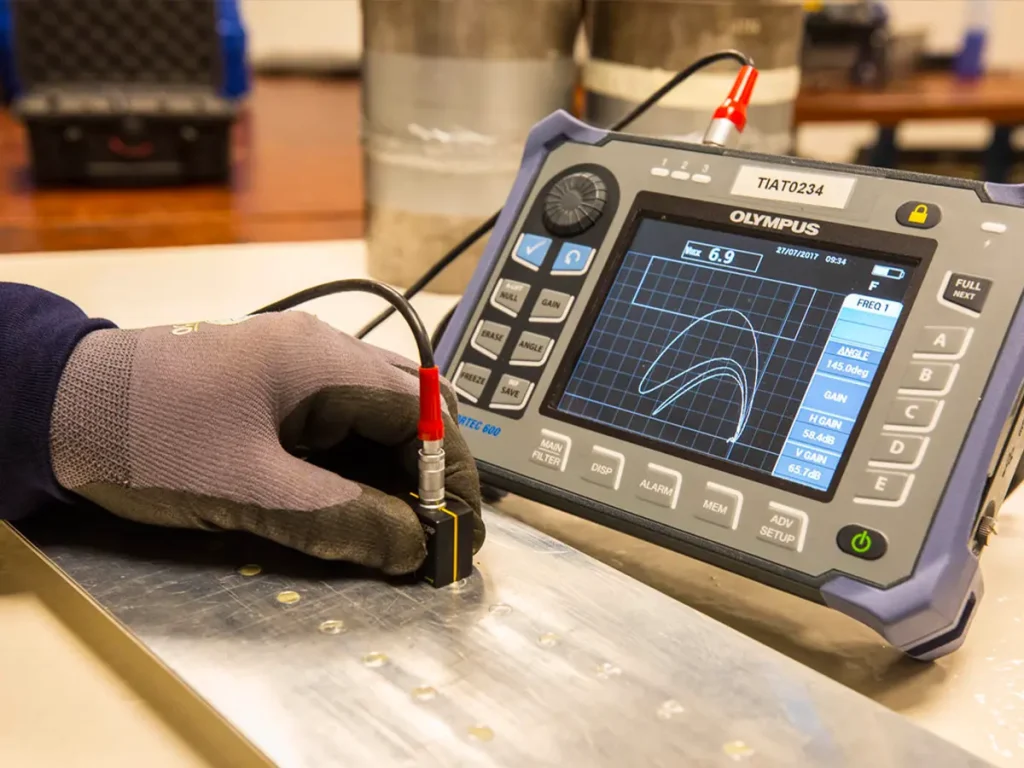
1. Ultrasonic testing
Sound waves penetrate metal to detect internal flaws or thickness variations. Technicians measure reflection signatures to highlight cracks.
2. Magnetic particle inspection (MPI)
This process locates surface or near-surface imperfections in ferromagnetic materials by applying magnetic fields and iron particles.
3. Dye penetrant inspection (DPI)
Colored dyes reveal hairline cracks on surfaces. Inspectors wipe away excess dye, leaving visible indications.
4. Radiographic testing (RT)
X-rays or gamma rays pass through welds, exposing internal voids or cracks. This technique helps verify weld integrity.
5. Eddy current testing
A magnetic field from a probe interacts with conductive materials, revealing micro-cracks or thinning.
6. Vibration analysis
Sensors track frequency changes to identify imbalance in rotating elements.
7. Thermography
Heat maps indicate friction points, electrical overloads, or poor connections.
8. Borescope inspection
A specialized camera peers into cylinders, gearboxes, or areas unreachable by direct line-of-sight.
9. Infrared thermography
Similar to thermography, but specifically targets electrical hotspots, circuit breakers, and contact points.
These advanced techniques detect hidden flaws early, cutting repair costs by an estimated 30%. For instance, a gear tooth crack identified by ultrasonic testing might progress to a complete gear failure if not resolved. Detecting it early prevents large-scale damage. Inspections paired with analytics refine maintenance schedules. This data-driven approach improves reliability by 15% or more in many facilities.
Regulatory Compliance & Certification
Regulatory compliance ensures crane safety in diverse settings. Safety certification demonstrates an organization’s commitment to worker protection. Equipment certification aligns with recognized standards. A compliance audit verifies whether a crane meets lifting standards and crane operation guidelines. ISO 4306 defines terminologies related to cranes, assisting uniform interpretation worldwide. CE marking applies to crane systems sold in certain markets, attesting to conformity with relevant directives. OSHA standards in the United States address aspects like guardrails, maximum load signage, and operator training. Safety regulations in other regions often mirror these guidelines.
Crane owners or operators compile records showing each step taken to adhere to these regulations. Inspectors evaluate items such as signage, protective barriers, and functional emergency stop buttons. Documentation reveals consistent application of best practices. A facility that neglects these requirements risks penalties or closures. Regulatory agencies track crane-related incidents and may mandate additional protocols for high-risk tasks. Thorough compliance fosters greater workforce morale, fewer legal complications, and improved operational continuity.

Documentation & Reporting

Documentation and reporting provide evidence of ongoing maintenance and compliance. An inspection report outlines the crane’s condition at a given time. A maintenance log catalogs replaced parts, lubrication details, and minor adjustments. A compliance report addresses how each crane meets local regulations. A safety checklist highlights items like harness attachments, secure walkways, and lockout/tagout systems. A condition report focuses on mechanical performance and structural integrity, summarizing any wear or damage. A failure report describes root causes if breakdowns occur. Certification documentation proves that third-party inspectors validated the crane. Service records track repeated maintenance tasks, while the crane logbook holds operational histories. An operational report summarizes daily usage data, such as average load weights and lifting counts. The final inspection certificate is proof of compliance.
Some large industrial facilities retain digital systems that store these records for multiple cranes, making it easy to detect trends. For example, analyzing 2 years of data might reveal that certain slings wear out after 8 months, prompting a new procurement strategy. This data also helps budget planners forecast repairs. The entire documentation system creates an audit trail. Regulatory bodies and insurance firms occasionally review these records. Proper management of these reports reduces oversight burdens by about 40% and aligns with corporate governance policies.
Why Us
Quality Calibration Solution emphasizes reliable equipment performance in every crane inspection project. Compliance with safety regulations is central to our approach. Expert crane inspectors evaluate mechanical, structural, and electrical aspects thoroughly. Certified professionals draw on advanced standards and field experience, producing an in-depth crane condition report. This practice enhances increased operational safety, preventing unexpected breakdowns.
Clients benefit from tailored inspection services because each facility has unique challenges. Value-driven solutions include customized maintenance schedules and objective-based inspections. Affordable crane inspection packages address both small factories and large industrial operations. Our industry expertise spans construction, maritime, mining, and more. A proven track record of success shows consistent customer satisfaction. Preventive maintenance expertise guides strategies to detect early-stage defects. Tailored solutions mean specialized approaches for overhead cranes, mobile cranes, tower cranes, or other crane variants.
Our organization invests in training and continuous improvement. Inspectors stay current with regulatory updates and new inspection tools. Many customers report a 25% improvement in operational efficiency after implementing our recommended steps. Confidence grows once safety measures align with recognized protocols. Equipment downtime drops, and management sees clearer budgeting for part replacements. Our mission centers on making crane usage safer, more efficient, and fully compliant.

Future Trends in Crane Inspection

IoT-enabled cranes have sensors that transmit real-time data. These crane monitoring systems track vibrations, temperature, and load impact. Remote crane diagnostics compile sensor analytics in a centralized platform. Predictive maintenance technology leverages historical data and AI-based inspection tools to forecast component failures. Smart cranes adjust internal parameters for smoother operation. Automation in crane inspection reduces the physical risks associated with high or confined spaces.
Digital inspection reports add clarity for multi-crane operations. AI-based visual analysis compares images over time. Crane tracking systems integrate GPS, load moment indications, and operator logs. A manager who monitors these systems can quickly identify abnormal trends. The industry sees a 15% shift toward adopting these digital solutions each year. 5G connectivity also speeds up data exchange from cranes in remote sites, improving responsiveness. Advanced analytics reveals patterns not readily visible through manual checks.
Trends indicate that a crane integrating IoT features maintains 10% lower downtime. Operators interpret the predictive alerts to schedule repairs outside peak production times. Cloud-based dashboards store the crane’s entire operational history. Inspectors reference this data to tailor future inspections. This transformation increases safety because it reduces guesswork. Remote crane diagnostics also benefits maritime cranes stationed at distant ports.
Contact Us for Crane Inspection Services
For inquiries regarding crane inspection services and heavy equipment audits, please reach out to us at Quality Calibration Solution. Our team is dedicated to enhancing safety and efficiency in industries such as construction, shipping, and manufacturing through thorough assessments and compliance audits.
Mobile
+88 01717 585721
Office Addres
Quality Calibration Solution Plot # 59, Road # 13/A, Sector # 11, Uttara Model Town, Dhaka-1230, Bangladesh
info@qualitycalibrationbd.com
We offer a range of services including crane inspection consultations tailored to your site-specific needs. Our experts analyze mechanical, structural, and electrical factors to ensure machine reliability and compliance with industry standards. Contact us today to schedule your consultation or for more information on our services.